Introduction
Finding the best credit cards in Europe can feel overwhelming—especially when every country has different banks, rules, and financial habits. Whether you’re living in a modern apartment in Berlin, renting a studio in Paris, or sharing a flat in Barcelona, your financial needs are shaped by local systems.
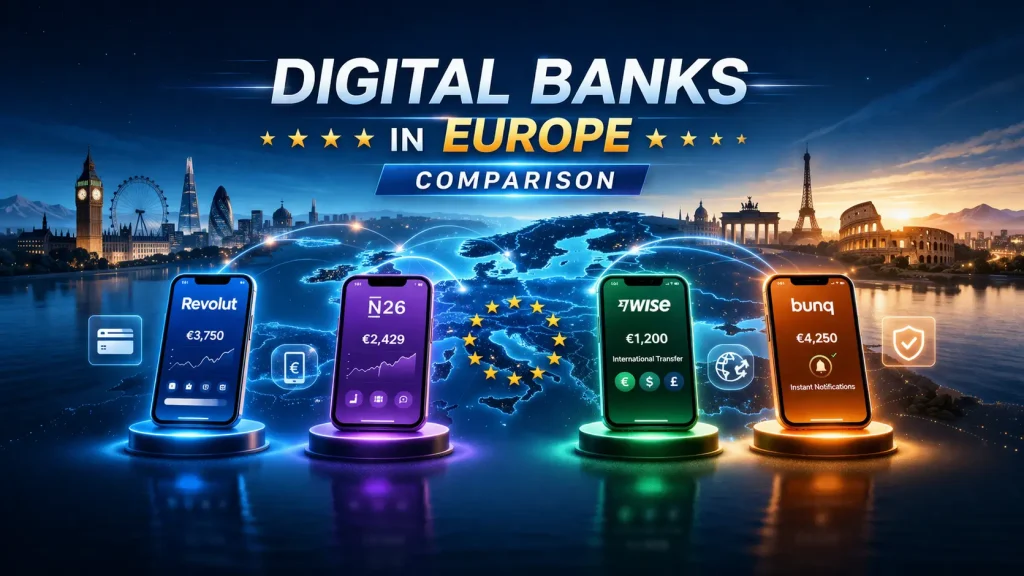
Unlike the U.S., Europe has a more fragmented banking ecosystem. You might use digital banks like Revolut or N26, traditional institutions like BNP Paribas, or country-specific services in places like the Netherlands or Sweden. Add to that varying credit scoring systems, currency differences (Euro vs. GBP vs. SEK), and travel needs across Schengen countries—it becomes clear why choosing the right card is not straightforward.
Many Europeans struggle with:
Limited rewards compared to U.S. cards
Foreign transaction fees while traveling across countries
Difficulty getting approved due to strict credit policies
Confusion between debit-first culture vs. credit usage
In this guide, we’ll break down everything you need to know about choosing the best credit cards in Europe, with practical, country-specific examples and actionable steps you can follow today.
Understanding the Credit Card Problem in Europe
Why Is It So Hard to Find Good Credit Cards in Europe?
The European credit card market is very different from markets like the U.S. or Canada. Here’s why:
1. Debit Card Dominance
In countries like Germany and the Netherlands, people rely heavily on debit cards (e.g., Girocard or Maestro). Credit card usage is relatively low, reducing competition and rewards.
2. Strict Banking Regulations
EU financial laws cap interchange fees, which limits how much banks can earn per transaction. As a result:
Fewer cashback offers
Lower rewards
Limited sign-up bonuses
3. Fragmented Banking Systems
Each country has its own:
Credit scoring system (e.g., SCHUFA in Germany, Experian UK)
Approval requirements
Local banks
This means a card available in France may not exist in Spain.
4. Travel Complexity
Europeans frequently travel between countries. A poor card choice can result in:
Foreign transaction fees
Currency conversion losses
ATM withdrawal charges
How to Choose the Best Credit Card in Europe
Step 1: Identify Your Spending Habits
Are You a Traveler?
If you frequently fly between cities like London, Rome, or Amsterdam:
Look for travel rewards cards
Choose cards with no FX fees
Do You Shop Online?
For Amazon, Zalando, or local e-commerce:
Cashback cards are ideal
Do You Want Low Fees?
Students or expats should prioritize:
No annual fee
Low interest rates
Best Credit Cards by Category in Europe
1. Best Overall Digital Credit Card
Revolut Credit Card
Great for multi-currency use
Works seamlessly across EU countries
Real-time spending analytics
2. Best Travel Credit Card
American Express Gold (Europe)
Travel rewards and airline points
Lounge access (selected plans)
Ideal for frequent flyers
3. Best Cashback Card
N26 Credit Card
Simple cashback system
Integrated mobile banking
Popular in Germany, France, Spain
4. Best for UK Users
Barclaycard Rewards
No foreign transaction fees
Cashback on spending abroad
Widely accepted
5. Best for Students & Beginners
Bunq Easy Credit
Easy approval
Budget tracking tools
Good for expats and freelancers
How to Apply for a Credit Card in Europe
Step 1: Check Your Credit Score
Country Examples
Germany → SCHUFA
UK → Experian / Equifax
France → Banque de France
Good credit increases approval chances significantly.
Step 2: Compare Cards Online
Use comparison websites like:
MoneySuperMarket (UK)
Check24 (Germany)
LesFurets (France)
Compare:
Annual fees
APR rates
Rewards
Step 3: Prepare Required Documents
Most European banks require:
Proof of address (utility bill or rental contract)
Passport or national ID
Income proof (salary slips or contract)
Step 4: Apply Online or via App
Digital banks like Revolut or N26 allow instant applications:
Upload documents
Verify identity via video
Get approval within minutes
Traditional banks may take 3–7 days.
Step 5: Activate and Start Using
Once approved:
Set up mobile app
Enable notifications
Link to Apple Pay or Google Pay
Tips & Pro Advice
1. Avoid Foreign Transaction Fees
Always choose cards with 0% FX fees, especially if you travel within Europe.
2. Use Credit Responsibly
Keep utilization below 30%
Pay full balance monthly
3. Combine Debit + Credit Strategy
Many Europeans use:
Debit for daily expenses
Credit for travel and online shopping
4. Use Financial Apps
Apps like:
Revolut
N26
Curve
Help track spending and optimize rewards.
Personal Experience
When I first moved to Europe, I struggled to get approved for a credit card in Germany. Despite having a stable income, my lack of local credit history (SCHUFA score) made things difficult.
I initially relied on a debit card, which worked fine for groceries and rent, but I faced issues when booking hotels in Italy and renting a car in Spain—both required a credit card.
Eventually, I started with a beginner-friendly digital bank card. After 6 months of consistent usage and on-time payments, my credit score improved. I then upgraded to a travel rewards card, which saved me money on flights between Paris and Barcelona.
The key lesson?
Start simple, build credit, then upgrade.
FAQ Section
1. What is the best credit card in Europe for travel?
Cards like American Express Gold and Revolut are excellent for travel across Europe due to low FX fees and rewards.
2. Can I get a credit card in Europe as an expat?
Yes, but requirements vary by country. You typically need:
Local address
Bank account
Proof of income
3. Are credit cards widely accepted in Europe?
Yes, especially Visa and Mastercard. However:
Smaller shops in Germany or Austria may prefer cash
American Express is less widely accepted
4. Do European credit cards offer cashback?
Yes, but rewards are generally lower than in the U.S. due to EU regulations.
5. Which credit card has no foreign transaction fees in Europe?
Cards like Revolut and Barclaycard Rewards offer zero FX fees, making them ideal for travel.
Conclusion
Choosing the best credit cards in Europe doesn’t have to be complicated. The key is understanding your needs and how the European financial system works.
Quick Takeaways:
Choose cards based on your lifestyle (travel, shopping, low fees)
Start with beginner-friendly options if you’re new
Avoid FX fees for cross-country spending
Use digital banking apps for better control
With the right credit card, you can save money, earn rewards, and travel across Europe with ease.
Call to Action
If you found this guide helpful, share it with others or leave a comment with your experience.