Introduction
Opening a bank account in Germany is an essential step for anyone planning to live, work, or study in the country. Whether you’re moving from another European country or arriving from overseas, having a German bank account will make your life significantly easier. From receiving your salary to paying rent, utilities, and online shopping bills, most transactions in Germany are conducted via bank transfers rather than cash.
Many newcomers find the process intimidating due to language barriers, strict documentation requirements, and unfamiliar banking systems. This guide will simplify the process for you and ensure that you are well-prepared to open your account without stress.
By the end of this post, you will understand the types of bank accounts available in Germany, why having one is important, step-by-step instructions on how to open an account, tools to manage your finances, common mistakes to avoid, expert tips, and answers to frequently asked questions.
What is a Bank Account in Germany?
A bank account, or “Girokonto” in German, is a personal account that allows you to store money, receive payments, and make withdrawals. There are two main types of accounts in Germany:
Current Account (Girokonto) – This is the most common account used for daily transactions like receiving salaries, paying bills, and online shopping.
Savings Account (Sparkonto) – This account is used to save money and often offers a small interest rate. Withdrawals may be limited or require notice.
Many banks in Germany also offer digital accounts or “Neobanks”, which provide easy online account management and are convenient for non-residents or people who prefer mobile banking.
Example:
Imagine you’re a student in Berlin. You receive your scholarship payment monthly. A Girokonto allows you to receive this payment directly, pay your rent via automatic transfers, and buy groceries or pay for your public transport card without needing cash.
Why is Having a Bank Account in Germany Important?
Having a German bank account is not just convenient; it is often a legal requirement for certain activities. Here’s why:
Salary Payments: Employers in Germany typically pay salaries directly to a bank account. Without one, receiving your salary becomes difficult.
Rent Payments: Most landlords prefer bank transfers over cash payments. Some even require direct debit setup for monthly rent.
Online Transactions: Shopping online or paying subscriptions like Netflix, Spotify, or local streaming services often requires a bank account.
Cost Efficiency: Bank transfers in Germany are usually free or very low-cost if done within the country. Using foreign accounts may incur high fees.
Credit & Loans: To get a loan, credit card, or mobile contract, banks often require you to have an existing account.
Opening a bank account makes your financial life smoother and allows you to integrate into the German banking system seamlessly.
Step-by-Step Guide to Opening a Bank Account in Germany
Opening a bank account in Germany may seem complex, but if you follow these steps, it becomes straightforward.
Step 1: Choose the Type of Account
Decide whether you need a traditional Girokonto, a savings account, or a digital bank account. If you are planning to work in Germany, a Girokonto is the best option. If you want to manage your finances digitally, consider a neobank like N26 or Revolut.
Step 2: Collect the Required Documents
Most German banks will ask for the following:
Valid Passport or EU ID Card
Proof of Address in Germany (Meldebescheinigung)
Employment Contract or Student Enrollment Proof (if applicable)
Tax Identification Number (optional but recommended)
Make sure all documents are up-to-date and originals or certified copies, as banks are strict about verification.
Step 3: Choose Your Bank
Germany has several types of banks:
Traditional Banks: Deutsche Bank, Commerzbank, Sparkasse, Volksbank
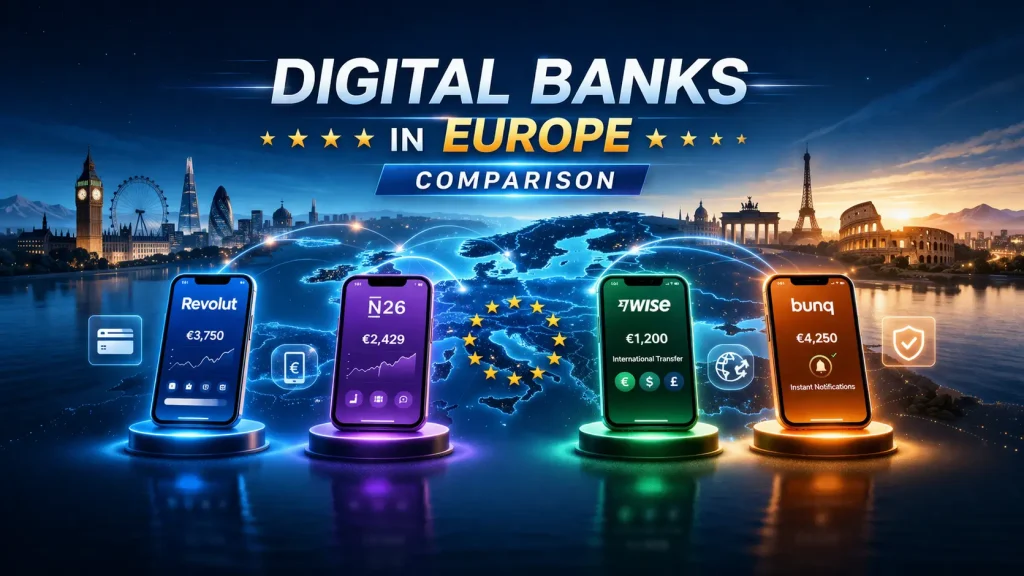
Online Banks/Neobanks: N26, Bunq, Revolut, Tomorrow
Compare fees, online banking features, and customer reviews before making a choice.
Step 4: Apply Online or In-Person
In-Person: Visit the branch with your documents, fill out forms, and verify your identity.
Online: Many neobanks allow you to apply online or via an app, including video identification.
Step 5: Set Up Online Banking
Once your account is approved, set up online banking. This will allow you to:
Track your account balance
Pay bills online
Set up direct debits
Receive notifications for transactions
Step 6: Receive Your Bank Card
You will receive a debit card (EC-Karte) or a virtual card if using an online bank. Activate it immediately and link it to your online banking account.
Best Tools / Apps for Managing Your German Bank Account
Managing your finances efficiently in Germany is easier with the right tools. Some of the best options include:
N26 App – Popular neobank with intuitive interface and budgeting features.
Revolut – Offers multicurrency accounts and low international transfer fees.
Sparkasse Online Banking – Traditional bank app with solid security.
Numbrs – Aggregates multiple accounts for easy tracking.
Finanzguru – Helps track spending and manage bills automatically.
These apps can help you budget, monitor transactions, and avoid late payments.
Common Mistakes When Opening a Bank Account in Germany
Even experienced expatriates make mistakes. Avoid these common pitfalls:
Choosing the Wrong Bank: Some banks have high fees or limited services for foreigners.
Incomplete Documentation: Missing proof of address or ID can lead to rejection.
Not Activating Online Banking: Many functions require online setup.
Ignoring Fees: Some accounts have monthly maintenance fees or transaction fees.
Not Understanding German Banking Terms: Misunderstanding terms like Überweisung (transfer) or Lastschrift (direct debit) can lead to errors.
Being careful and thorough can save time and money.
Expert Tips for a Smooth Experience
Compare Banks: Look at fees, customer service, and online features before deciding.
Use a Multilingual Bank: Some banks like N26 and Commerzbank provide services in English.
Register Your Address First: The Meldebescheinigung is essential for opening any bank account.
Set Up Direct Debits: Use it for recurring bills to avoid late payments.
Keep Your Documents Ready: Have passport, address proof, and employment/student proof handy.
Consider Online Banks: For newcomers, online banks often have simpler procedures and faster approval.
FAQ
Q1: Can I open a German bank account as a non-resident?
Yes, some banks and neobanks allow non-residents to open accounts. However, having a registered address in Germany usually simplifies the process.
Q2: How long does it take to open an account?
Traditional banks may take 3–10 days to process applications. Online banks can approve accounts in 1–2 days.
Q3: Is there a minimum deposit required?
Most banks do not require a minimum deposit for a Girokonto, but some premium accounts may.
Q4: Are there monthly fees for bank accounts?
It depends on the bank. Some accounts are free, while others charge €3–€10 per month. Always check the fee structure.
Q5: Can I open an account without German language skills?
Yes, many banks offer English support. Online banks like N26 are fully in English.
Conclusion
Opening a bank account in Germany is a crucial step for anyone living or working in the country. While the process may initially seem daunting, understanding the requirements, choosing the right bank, and following a clear step-by-step plan makes it straightforward.
A well-managed bank account simplifies salary payments, bill settlements, online transactions, and financial planning. By avoiding common mistakes, leveraging apps, and following expert tips, you can ensure a smooth banking experience in Germany.
Take control of your finances today, and enjoy the freedom and convenience of having a German bank account — your gateway to living, working, and thriving in Germany.