Introduction
Online banking has become an essential part of everyday life across Europe—from managing rent payments in Berlin apartments, to sending money via apps in Paris, or checking balances while commuting in London. With leading banks like HSBC, Deutsche Bank, and BNP Paribas offering seamless digital services, convenience has never been greater.
However, this convenience comes with a serious downside: cybersecurity risks. Online banking fraud, phishing scams, and identity theft are rising rapidly across Europe. Many users unknowingly expose their financial data through weak passwords, unsecured Wi-Fi networks, or outdated devices.
If you’re using online banking in 2026, understanding Online Banking Security Tips is no longer optional—it’s essential. This guide will walk you through everything you need to stay safe, with real-world European examples and practical steps.
Problem Explanation
Online banking security issues occur due to a mix of human behavior, technological vulnerabilities, and regional infrastructure differences.
Why This Problem Occurs
Weak Password Habits
Many users across countries like Spain and Italy reuse passwords across multiple platforms, making it easier for hackers to gain access.
Public Wi-Fi Usage
In cities like Amsterdam or Barcelona, people frequently use free Wi-Fi in cafés or shared apartments. These networks are often unsecured.
Outdated Devices & Software
Older smartphones and laptops—common in student housing across Europe—may not receive security updates.
Sophisticated Phishing Attacks
Fraudsters often mimic banks like Santander or ING, sending emails that look almost identical to official communications.
ISP-Level Vulnerabilities
Some Internet Service Providers such as Vodafone or Orange may not always provide advanced protection against DNS spoofing unless configured properly.
Use Strong Passwords & Password Managers
A strong password is your first line of defense.
Create Secure Passwords
Use at least 12–16 characters
Include uppercase, lowercase, numbers, and symbols
Avoid names, birthdays, or common words
Use Password Managers
Tools like LastPass or 1Password can:
Generate strong passwords
Store them securely
Autofill login details safely
Europe-Specific Tip
If you use multiple banking apps across countries (e.g., working in Germany but banking in France), a password manager becomes even more essential.
Enable Two-Factor Authentication (2FA)
2FA adds an extra layer of security beyond your password.
How It Works
Enter password
Confirm identity via SMS, app, or biometric verification
Best 2FA Apps
Google Authenticator
Microsoft Authenticator
European Banking Example
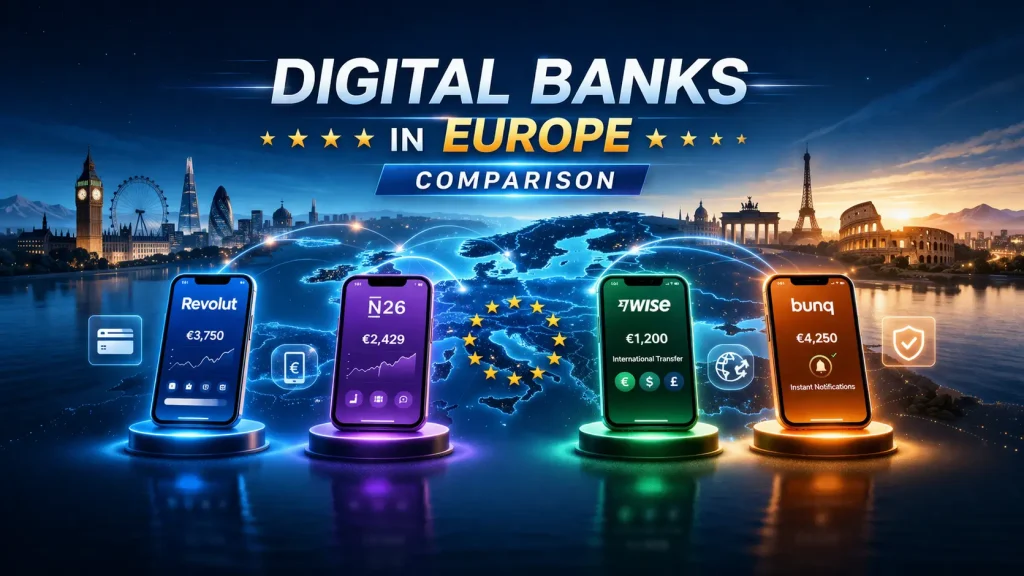
Banks like Revolut and N26 require 2FA for transactions, making them more secure.
Secure Your Internet Connection
Your internet connection can expose your data if not properly secured.
Avoid Public Wi-Fi
Never access banking apps on café or airport Wi-Fi
Use mobile data instead
Use a VPN
Apps like NordVPN or ExpressVPN encrypt your connection.
Secure Home Networks
Change default router passwords
Use WPA3 encryption
Regularly update firmware
ISP Tip
If you’re using providers like BT Group, check their security settings dashboard for additional protections.
Keep Devices & Apps Updated
Outdated systems are easy targets for hackers.
Update Regularly
Enable automatic updates on phones and laptops
Update banking apps frequently
Use Trusted Devices Only
Avoid logging into your bank account from:
Shared computers in hostels
Internet cafés in tourist areas
Example
A student in Rome using an old Android phone without updates is far more vulnerable than someone using a fully updated device.
Monitor Bank Activity Regularly
Early detection can prevent major losses.
What to Do
Check transactions weekly
Enable instant notifications
Report suspicious activity immediately
Bank Features
Most European banks, including Barclays, offer:
Real-time alerts
Spending insights
Fraud detection systems
Avoid Phishing & Social Engineering
Phishing attacks are becoming increasingly sophisticated.
Common Signs
Urgent messages (“Your account will be blocked!”)
Suspicious links
Requests for personal information
Safety Tips
Never click unknown links
Verify emails directly through bank apps
Check sender domains carefully
Example
Fraud emails pretending to be from Lloyds Bank have targeted users in Manchester and Birmingham.
Pro Tips for Advanced Security
Want to go beyond basic protection? Here’s how:
Use Biometric Authentication
Fingerprint or Face ID
Available on most modern banking apps
Set Transaction Limits
Limit daily transfers to reduce potential losses.
Use Dedicated Banking Devices
Some professionals in Zurich or Stockholm use a separate phone exclusively for financial apps.
Security Software
Install antivirus tools like:
Bitdefender
Kaspersky
Personal Experience
A few years ago, while living in a shared apartment in Lisbon, I made the mistake of logging into my online banking account using public Wi-Fi. Within days, I noticed a suspicious transaction.
Thankfully, my bank flagged it quickly, and I recovered the funds. But the experience taught me a valuable lesson: convenience should never come before security.
Since then, I’ve adopted strict habits—using VPNs, enabling 2FA, and checking transactions regularly. These small steps make a huge difference.
FAQ Section
1. Is online banking safe in Europe?
Yes, online banking in Europe is generally safe due to strict regulations like PSD2. However, user behavior plays a crucial role in maintaining security.
2. What should I do if I receive a suspicious email from my bank?
Do not click any links. Contact your bank directly through official apps or websites.
3. Can I use public Wi-Fi for banking in Europe?
It’s strongly discouraged. If necessary, use a VPN for encryption.
4. Which banks are considered safest in Europe?
Digital banks like N26 and Revolut offer strong security features, but safety ultimately depends on user practices.
5. How often should I check my bank account?
At least once a week, or enable real-time notifications for instant updates.
Conclusion
In today’s digital world, following Online Banking Security Tips is essential for anyone managing finances online—especially in Europe, where digital banking is deeply integrated into daily life.
From using strong passwords and enabling 2FA to avoiding public Wi-Fi and monitoring transactions, these steps can significantly reduce your risk. The key takeaway is simple: stay proactive, stay informed, and stay secure.
If you found this guide helpful, share it with friends or leave a comment below. Want more tips on digital safety and finance? Subscribe to our newsletter and never miss an update!