Introduction
Investing in the stock market can feel like stepping into a foreign world filled with numbers, graphs, and financial jargon. For many beginners in Europe, the stock market seems intimidating, risky, or even inaccessible. Yet, understanding how to invest wisely can be one of the most powerful ways to grow wealth over time.
The reality is that you don’t need to be a financial expert or have a large sum of money to start. With proper knowledge and discipline, even small investments can compound into significant returns over the years. In this guide, we will break down everything you need to know about the stock market, helping you take your first steps confidently.
What is the Stock Market?
The stock market is a platform where shares of publicly traded companies are bought and sold. When you buy a share of a company, you own a small piece of that business. The value of your investment changes with the company’s performance, economic trends, and market sentiment.
For example, imagine you purchase shares of a European tech company. If the company performs well, releases innovative products, or beats earnings expectations, the value of your shares may rise. Conversely, poor results, market downturns, or negative news can lower the stock price.
The stock market also serves a vital economic purpose. Companies can raise capital by selling shares to the public, which they can use to expand operations, hire employees, or invest in new technology. In return, investors have the potential to earn dividends and benefit from capital appreciation.
Why It Is Important
Investing in the stock market is important for several reasons:
Wealth Creation – Historically, the stock market has outperformed other forms of investment like savings accounts or bonds over the long term. A disciplined approach can significantly increase your net worth over time.
Inflation Protection – Europe, like many regions, experiences inflation which erodes the value of money. Stocks have the potential to provide returns that outpace inflation, protecting your purchasing power.
Passive Income – Many companies distribute dividends to shareholders. This means you can earn money without selling your shares, creating a potential source of passive income.
Financial Independence – Investing wisely helps you build assets that can eventually support financial independence or retirement planning.
By understanding the importance of investing, beginners can develop a mindset that prioritizes growth, patience, and informed decision-making.
Step by Step Guide
Starting in the stock market may seem overwhelming, but breaking it into steps can simplify the process:
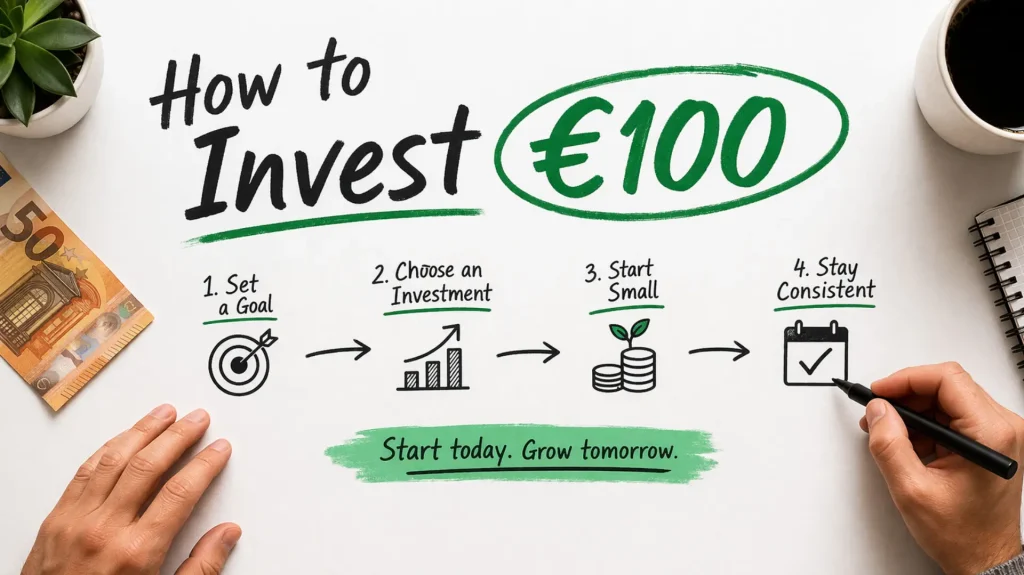
Step 1: Define Your Investment Goals
Before investing, clarify why you want to invest. Are you saving for retirement, a home, or building wealth over time? Knowing your goals will determine your investment strategy, risk tolerance, and timeline.
Step 2: Understand Your Risk Tolerance
Some investments are riskier than others. Stocks can fluctuate widely in the short term but offer higher growth potential. Bonds or ETFs tend to be more stable but provide lower returns. Consider your comfort level with market ups and downs before allocating funds.
Step 3: Choose the Right Account
In Europe, you can invest through brokerage accounts, tax-advantaged accounts like ISAs in the UK, or other local investment accounts depending on your country. Compare fees, services, and access to different markets before deciding.
Step 4: Start Small
Begin with a modest investment amount. Many online brokers allow fractional shares, meaning you can buy a portion of a stock instead of the full price. Starting small reduces risk while helping you learn how the market works.
Step 5: Diversify Your Portfolio
Don’t put all your money into one company. Spread your investments across industries, sectors, and countries. Diversification helps reduce risk and smooths returns over time.
Step 6: Monitor and Adjust
Keep track of your investments, but avoid constant trading based on market noise. Review your portfolio periodically and adjust according to your goals or major life changes.
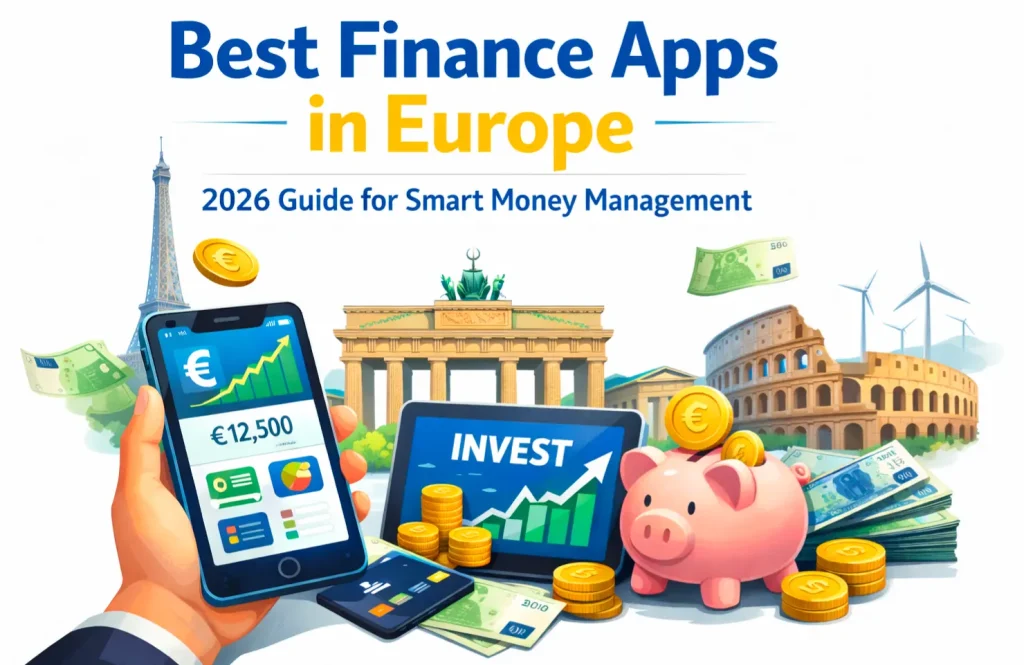
Best Tools / Apps
Several tools and platforms make investing in Europe easier for beginners:
eToro – User-friendly platform with social trading features.
DEGIRO – Low-cost broker offering access to multiple European stock exchanges.
Revolut – App-based investing with stocks, ETFs, and crypto.
Trading 212 – Commission-free investing and easy-to-use mobile interface.
Morningstar – Research and analysis tools to evaluate stocks and funds.
Using these tools can simplify investing, track performance, and provide educational resources to make informed decisions.
Common Mistakes
Beginners often make errors that could hinder their investment journey:
Trying to Time the Market – Many investors try to buy low and sell high, but timing the market consistently is nearly impossible. Long-term strategies typically outperform short-term speculation.
Lack of Diversification – Focusing on one stock or sector increases risk. Spread investments across various industries to mitigate losses.
Ignoring Fees – High brokerage fees, fund management charges, or currency conversion costs can eat into returns. Choose cost-effective platforms.
Emotional Investing – Fear and greed can lead to impulsive decisions. Avoid selling during downturns or chasing “hot” stocks.
Neglecting Research – Blindly following tips or trends can be dangerous. Take the time to understand each investment before committing funds.
Expert Tips
To maximize your success in the stock market, consider these professional tips:
Start Early – The power of compounding works best over time, so don’t delay your first investment.
Focus on Long-Term Growth – Short-term fluctuations are normal. Concentrate on the potential growth of your portfolio over years, not days.
Reinvest Dividends – Compounding dividends can significantly boost your overall returns.
Stay Informed – Keep up with financial news, company reports, and economic trends in Europe to make better investment decisions.
Have an Emergency Fund – Never invest money you might need in the short term. Ensure you have savings for unforeseen expenses.
FAQ
Q1: How much money do I need to start investing?
You can start with as little as €50–€100, especially if your platform supports fractional shares. The key is consistency, not the initial amount.
Q2: What is the best way to invest as a beginner?
Many beginners start with ETFs, which are baskets of stocks that provide diversification at low cost. This approach reduces risk while giving exposure to multiple companies.
Q3: How often should I check my portfolio?
Check your portfolio monthly or quarterly. Avoid daily monitoring, as it may lead to emotional decisions.
Q4: Are dividends taxed in Europe?
Yes, dividend taxation varies by country. In some countries like Germany, there’s a withholding tax, while others may offer tax-advantaged accounts. Always consult local regulations.
Q5: Can I lose all my money in the stock market?
While individual stocks can lose value, diversification and long-term investment strategies reduce the risk of losing everything. Avoid speculative high-risk investments if you are a beginner.
Conclusion
Investing in the stock market is not just for experts—it’s for anyone willing to learn and take careful, informed steps. By understanding the basics, setting clear goals, diversifying investments, and leveraging modern tools, beginners in Europe can build wealth gradually and confidently.
The journey may have ups and downs, but patience, discipline, and consistent effort are your greatest allies. Remember, even modest investments made regularly can grow substantially over time. Start today, stay informed, and let the stock market work for you. Your financial future is in your hands—take that first step and invest wisely.