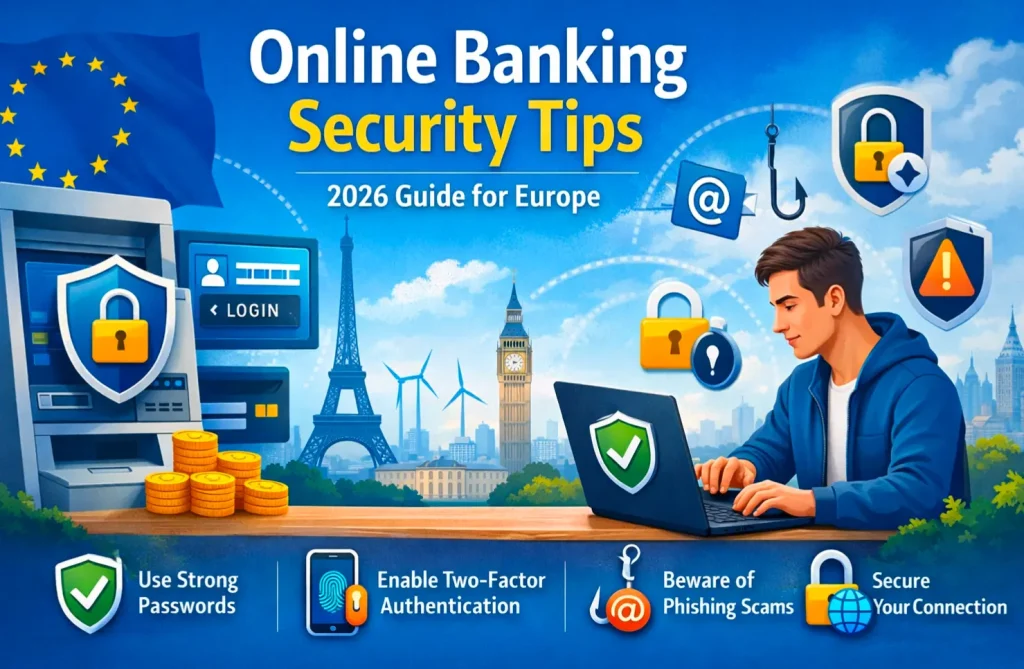
Introduction
Managing money in Europe has changed dramatically over the past decade. Traditional banks, with their paperwork, long queues, and hidden fees, are no longer the only option. Today, digital banks—also known as neobanks—are transforming how people across Europe handle their finances.
For many users, especially expats, freelancers, and young professionals, traditional banking can feel slow, expensive, and outdated. Opening an account may require physical visits, documentation hassles, and limited flexibility. On top of that, international transfers and currency exchange fees can quickly add up.
This is where digital banks step in. They offer fast account setup, user-friendly mobile apps, low fees, and seamless international transactions. But with so many options available in Europe, choosing the right one can be confusing.
In this guide, we’ll break everything down—from what digital banks are to how to choose the best one for your needs. By the end, you’ll have a clear understanding of which digital bank fits your lifestyle in Europe.
What is Digital Banking?
Digital banking refers to financial services delivered entirely online without physical branches. These banks operate through mobile apps or websites, allowing users to manage their accounts anytime, anywhere.
Unlike traditional banks, digital banks focus on simplicity, speed, and transparency.
Example
Imagine opening a bank account in under 10 minutes using just your smartphone—no paperwork, no waiting in line. You can instantly receive a virtual card, send money across borders, and track your spending in real time. That’s the power of digital banking.
Some of the most popular digital banks in Europe include Revolut, N26, Wise, and Monese. Each offers unique features tailored to different types of users.
Why It is Important
Digital banking is not just a trend—it’s becoming essential in modern European life. Here’s why:
1. Convenience
You can manage your finances 24/7 without visiting a branch. Everything from payments to budgeting is just a tap away.
2. Lower Fees
Most digital banks offer free accounts or significantly lower fees compared to traditional banks, especially for international transfers.
3. Faster Transactions
Payments and transfers are often instant or much faster than traditional banking systems.
4. Ideal for Expats and Travelers
Europe is highly interconnected, and digital banks make it easier to handle multiple currencies and cross-border payments.
5. Smart Financial Tools
Built-in budgeting tools, spending analytics, and savings features help users manage money more effectively.
Step by Step Guide
Choosing the right digital bank in Europe doesn’t have to be complicated. Follow these steps:
Step 1: Identify Your Needs
Ask yourself:
Do you travel frequently?
Do you need multi-currency support?
Are you a freelancer or employee?
Different banks serve different purposes.
Step 2: Compare Key Features
Look at:
Monthly fees
Currency exchange rates
ATM withdrawal limits
Card options
Step 3: Check Availability
Not all digital banks operate in every European country. Make sure your chosen bank is supported in your location.
Step 4: Review Security and Licensing
Ensure the bank is regulated within the EU or UK and offers deposit protection.
Step 5: Test the App Experience
A good digital bank should have an intuitive and fast mobile app. User experience matters more than you think.
Best Tools / Apps
Here are some of the best digital banks currently available in Europe:
1. Revolut
Multi-currency accounts (30+ currencies)
Crypto and stock trading features
Great for travelers
2. N26
German-based digital bank
Clean and simple interface
Free basic account available
3. Wise (formerly TransferWise)
Best for international transfers
Real exchange rates (no hidden fees)
Multi-currency accounts
4. Monese
Ideal for expats without proof of address
Easy account setup
Supports multiple European countries
5. Bunq
Highly customizable banking experience
Eco-friendly initiatives
Strong budgeting tools
Each of these apps has strengths depending on your needs—whether it’s travel, saving, or daily spending.
Common Mistakes
Even though digital banking is simple, many users make avoidable mistakes:
1. Ignoring Hidden Fees
Some “free” accounts may charge for ATM withdrawals or premium features.
2. Choosing Based Only on Popularity
Just because a bank is popular doesn’t mean it’s right for you.
3. Not Checking Country Support
Certain features may not be available in all European countries.
4. Overlooking Security
Always ensure the bank is licensed and regulated.
5. Using Only One Bank
Relying entirely on a single digital bank can be risky. It’s often smarter to have a backup.
Expert Tips
To get the most out of digital banking in Europe, keep these tips in mind:
1. Use Multiple Accounts
Combine two banks—for example, one for daily spending and another for international transfers.
2. Take Advantage of Budgeting Tools
Most apps offer spending insights. Use them to track and improve your finances.
3. Enable Notifications
Real-time alerts help you stay in control and avoid fraud.
4. Upgrade Only If Necessary
Premium plans can be useful, but only if you actually need the extra features.
5. Stay Updated
Digital banks frequently update their features. Keep an eye on new offerings.
FAQ
How safe are digital banks in Europe?
Most digital banks are regulated and offer deposit protection similar to traditional banks. Always check licensing details.
Which digital bank is best for travel?
Revolut and Wise are excellent for travel due to low currency conversion fees.
Can I use digital banks as my main account?
Yes, many users in Europe rely entirely on digital banks for everyday banking.
Do digital banks offer physical cards?
Yes, most provide both virtual and physical debit cards.
Are there any downsides?
Limited customer support and lack of physical branches can be drawbacks for some users.
Conclusion
Digital banks are reshaping the financial landscape across Europe. They offer speed, flexibility, and cost savings that traditional banks often struggle to match. Whether you’re an expat, traveler, or local resident, switching to a digital bank can simplify your financial life significantly.
However, the key is choosing the right one. By understanding your needs, comparing features, and avoiding common mistakes, you can make a smart decision that works for you.
The future of banking is digital—and in Europe, that future is already here. Now is the perfect time to explore your options and take control of your finances with confidence.