Introduction
In today’s fast-paced financial world, many people across Europe—from young professionals in Berlin to families in suburban Paris or freelancers in Barcelona—struggle to grow their savings effectively. Rising living costs, fluctuating energy prices, and economic uncertainty have made traditional saving methods less reliable. Keeping money in a bank account often fails to keep up with inflation, slowly eroding purchasing power over time.
At the same time, the idea of investing can feel intimidating. Complex financial jargon, fear of losses, and lack of time discourage many individuals from actively managing investments. Not everyone has the expertise or patience to track stock markets daily or analyze financial reports.
This is where passive investing emerges as a powerful, accessible solution. It offers a simple, low-maintenance approach to building long-term wealth without requiring constant attention or deep financial knowledge. Whether you’re living in a small apartment in Amsterdam or working remotely from Lisbon, passive investing can fit seamlessly into your financial life—helping you grow your money steadily over time.
What is Passive Investing Strategy
Passive investing is an investment approach that focuses on long-term growth by minimizing buying and selling activities. Instead of trying to outperform the market through active trading, passive investors aim to replicate market performance by investing in broad market indexes.
In simple terms, you invest in funds that track the overall market—such as a European stock index—and hold those investments for years, or even decades.
Example
Imagine you invest in an index fund that tracks the top 600 companies across Europe. Instead of picking individual stocks like a professional trader, your investment automatically spreads across multiple companies. As the European economy grows, your investment grows with it.
This approach removes the stress of trying to “beat the market” and instead focuses on steady, consistent returns.
Why it is Important
Passive investing has become increasingly popular across Europe, and for good reason. It offers several key benefits that make it ideal for both beginners and experienced investors.
1. Lower Costs
Active trading involves frequent buying and selling, which leads to higher fees. Passive investing uses index funds or ETFs (Exchange-Traded Funds), which typically have much lower management costs. Over time, these savings can significantly boost your returns.
2. Simplicity
You don’t need to constantly monitor the stock market or analyze companies. Once your portfolio is set up, it requires minimal effort to maintain.
3. Consistent Long-Term Growth
Historically, markets tend to grow over time despite short-term fluctuations. Passive investing allows you to benefit from this long-term upward trend.
4. Reduced Emotional Stress
Many investors lose money due to emotional decisions—panic selling during market drops or buying during hype. Passive investing eliminates this problem by focusing on long-term discipline.
5. Accessibility Across Europe
With the rise of digital banking and investment platforms, passive investing is now accessible to people in cities like Milan, Vienna, and Copenhagen. You can start with small amounts and gradually increase your investments.
Step by Step Guide
Getting started with passive investing is easier than you might think. Here’s a practical step-by-step guide tailored for beginners in Europe.
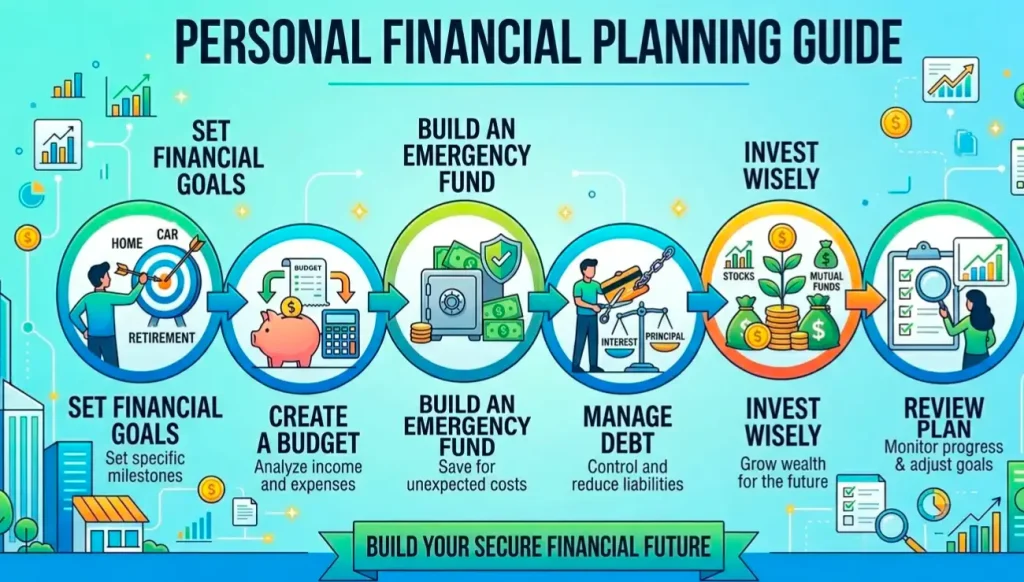
Step 1: Set Your Financial Goals
Before investing, define what you want to achieve. Are you saving for retirement, a home, or financial independence? Your goals will determine your investment strategy and time horizon.
Step 2: Understand Your Risk Tolerance
Everyone has a different comfort level when it comes to risk. Younger investors may take more risks for higher returns, while others may prefer safer options.
Step 3: Choose the Right Investment Platform
Select a reliable investment platform available in your country. Many European platforms offer user-friendly interfaces and low fees.
Step 4: Invest in Index Funds or ETFs
Look for funds that track broad markets such as European or global indexes. Diversification is key—it spreads risk across many companies and industries.
Step 5: Automate Your Investments
Set up automatic monthly contributions. This strategy, often called “dollar-cost averaging,” helps you invest consistently regardless of market conditions.
Step 6: Reinvest Dividends
Instead of withdrawing earnings, reinvest them to benefit from compound growth over time.
Step 7: Stay Consistent and Patient
Passive investing is a long-term game. Avoid checking your portfolio daily or reacting to short-term market movements.
Best Tools / Apps
There are several excellent tools and apps available across Europe that make passive investing simple and efficient.
1. Trading Platforms
Apps like Trading 212, DEGIRO, and eToro are widely used across Europe. They offer access to ETFs and index funds with low fees.
2. Robo-Advisors
Platforms like Scalable Capital or Nutmeg automatically create and manage a diversified portfolio based on your risk profile.
3. Budgeting Apps
Apps such as YNAB (You Need A Budget) or Revolut help track your expenses and ensure you have funds available for investing.
4. Portfolio Trackers
Tools like Morningstar or Yahoo Finance allow you to monitor your investments in one place.
These tools simplify the process, making passive investing accessible even for beginners.
Common Mistakes
While passive investing is straightforward, many people still make mistakes that can reduce their returns.
1. Trying to Time the Market
Some investors attempt to buy at the lowest point and sell at the highest. This rarely works and often leads to losses.
2. Lack of Diversification
Investing in only one sector or region increases risk. Always spread your investments across different markets.
3. Ignoring Fees
Even small fees can add up over time. Choose low-cost funds and platforms.
4. Panic Selling
Market downturns are normal. Selling during a decline locks in losses and prevents recovery gains.
5. Inconsistent Investing
Skipping investments during tough times can hurt long-term growth. Consistency is key.
Expert Tips
To maximize your success with passive investing, consider these expert strategies:
1. Start Early
The earlier you begin, the more time your money has to grow through compounding.
2. Think Long-Term
Focus on 10–20 year horizons rather than short-term gains. Patience is your greatest asset.
3. Keep It Simple
Avoid overcomplicating your portfolio. A few well-chosen ETFs are often enough.
4. Review Annually
Check your portfolio once or twice a year to ensure it aligns with your goals.
5. Increase Contributions Over Time
As your income grows, increase your monthly investments.
6. Stay Educated
Keep learning about personal finance and investing trends in Europe.
FAQ
How much money should I invest monthly?
There’s no fixed amount. Even €50–€100 per month is a great start. The key is consistency.
Is passive investing safe?
No investment is completely risk-free, but passive investing reduces risk through diversification and long-term focus.
What is the best passive investment option?
Index funds and ETFs are generally considered the best options due to low fees and broad market exposure.
Can I start with a small budget?
Yes. Many platforms allow you to start with very small amounts, making it accessible to everyone.
How long should I hold my investments?
Ideally, you should invest for at least 5–10 years or longer to maximize returns.
Conclusion
Passive investing is one of the most effective and stress-free ways to build wealth in today’s world. For individuals across Europe—whether you’re working in a corporate job in Frankfurt or freelancing in Prague—it offers a practical path toward financial security without requiring constant effort or expertise.
By focusing on long-term growth, minimizing costs, and staying consistent, you can gradually build a strong financial future. The beauty of passive investing lies in its simplicity: invest regularly, stay patient, and let time do the work.
If you haven’t started yet, now is the perfect time. Even small steps today can lead to significant financial freedom tomorrow.