Introduction
Managing money has never been more important—especially in Europe, where living costs vary widely between cities like Berlin, Paris, and Madrid. Whether you’re a student in a shared apartment, a young professional dealing with rising rent, or a family trying to stay ahead of inflation, budgeting is no longer optional—it’s essential.
Many people struggle with tracking their spending, saving consistently, or even understanding where their money goes each month. The problem isn’t always income—it’s often lack of structure and visibility. Without a proper system, even a good salary can disappear quickly.
That’s where budgeting apps come in. With the right tools, you can take full control of your finances, build savings, and reduce financial stress. In this guide, you’ll discover the best budgeting apps in Europe, how they work, and how to use them effectively—so you can finally make your money work for you.
What is Personal Budgeting?
Personal budgeting is the process of tracking your income and expenses to ensure you’re spending within your means and saving for the future.
In simple terms, it’s about answering three key questions:
How much money do I earn?
Where does my money go?
How can I improve my financial situation?
Example
Imagine you earn €2,000 per month:
Rent: €800
Food: €300
Transport: €150
Entertainment: €200
Savings: €300
Miscellaneous: €250
A budgeting app helps you organize these numbers automatically, track changes in real-time, and alert you when you’re overspending.
Why It is Important
Budgeting is not just about restricting spending—it’s about gaining freedom and control over your finances.
1. Better Financial Awareness
Most people underestimate how much they spend. Budgeting apps show real-time data so you can clearly see your habits.
2. Helps You Save More
By identifying unnecessary expenses, you can redirect money into savings or investments.
3. Reduces Financial Stress
Knowing exactly where your money goes gives you peace of mind and helps avoid surprises at the end of the month.
4. Prepares You for Emergencies
A good budget ensures you build an emergency fund—something especially important in uncertain economic times across Europe.
5. Achieve Financial Goals Faster
Whether it’s traveling across Europe, buying a car, or saving for a house, budgeting keeps you on track.
Step by Step Guide
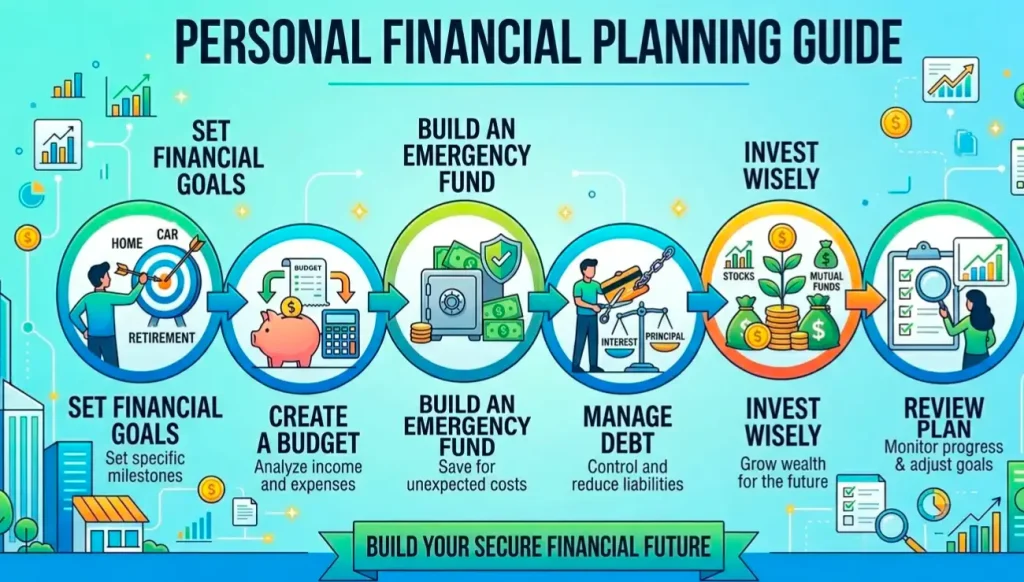
Step 1: Track Your Expenses
Start by recording every expense—no matter how small. Most budgeting apps do this automatically by syncing with your bank account.
Step 2: Create a Monthly Budget
Set limits for each category:
Housing
Food
Transport
Entertainment
Savings
Make sure your total expenses don’t exceed your income.
Step 3: Reduce Unnecessary Spending
Identify areas where you overspend:
Too many subscriptions
Frequent takeaways
Impulse shopping
Cutting even €50–€100 monthly can make a big difference over time.
Step 4: Set Savings Goals
Define clear goals:
Emergency fund (3–6 months of expenses)
Travel fund
Investment fund
Step 5: Monitor and Adjust
Your budget isn’t fixed. Review it monthly and adjust based on lifestyle changes or unexpected costs.
Best Tools / Apps
Here are some of the best budgeting apps widely used across Europe:
1. YNAB (You Need A Budget)
One of the most powerful budgeting tools available.
Features:
Zero-based budgeting system
Goal tracking
Real-time expense updates
Strong financial education support
Best for: People serious about long-term financial control
2. Revolut
Popular across Europe for both banking and budgeting.
Features:
Built-in expense tracking
Spending analytics
Budget limits
Multi-currency support
Best for: Travelers and digital banking users
3. Emma
A smart money management app designed for Europeans.
Features:
Subscription tracking
Budget categories
Spending alerts
Bank syncing across Europe
Best for: People who want automated insights
4. Spendee
Simple and visually appealing budgeting app.
Features:
Shared wallets (great for couples or families)
Expense categorization
Budget tracking
Manual or automatic input
Best for: Beginners
5. PocketGuard
Focuses on showing how much money you can safely spend.
Features:
“In My Pocket” feature
Bill tracking
Expense categorization
Savings suggestions
Best for: People who overspend frequently
6. Money Dashboard
Very popular in the UK and expanding across Europe.
Features:
Bank integration
Spending categories
Budget goals
Easy-to-read dashboards
Best for: UK and EU users
Common Mistakes
Even with the best apps, many people fail at budgeting due to common mistakes:
1. Not Tracking Small Expenses
Coffee, snacks, and small purchases add up quickly.
2. Setting Unrealistic Budgets
If your budget is too strict, you won’t stick to it.
3. Ignoring Irregular Expenses
Annual subscriptions, insurance, or travel costs can disrupt your budget.
4. Not Reviewing Regularly
A budget isn’t “set and forget.” It needs regular updates.
5. Relying Only on Apps
Apps are tools—not solutions. Discipline is still required.
Expert Tips
1. Use the 50/30/20 Rule
50% Needs
30% Wants
20% Savings
This works well for many people across Europe.
2. Automate Savings
Set up automatic transfers to your savings account.
3. Cancel Unused Subscriptions
Apps like Emma can help identify hidden subscriptions.
4. Use Multiple Accounts
Separate accounts for:
Bills
Savings
5. Review Weekly
A quick weekly check keeps you on track without stress.
6. Adjust for Cost of Living
Living in cities like London or Amsterdam requires a different budget than smaller towns.
FAQ
How much money should I save monthly?
Ideally, save at least 20% of your income. If that’s not possible, start with 5–10% and gradually increase.
What is the best budgeting method?
The zero-based budgeting method (used by YNAB) is highly effective because every euro has a purpose.
Are budgeting apps safe in Europe?
Yes, most apps comply with PSD2 regulations and use secure bank connections.
Can I use budgeting apps without linking my bank?
Yes, many apps allow manual tracking—but automation makes it easier.
Which app is best for beginners?
Spendee or Emma are great starting points due to their simplicity.
Conclusion
Budgeting isn’t about limiting your life—it’s about improving it. With the rising cost of living across Europe, having control over your finances is more important than ever.
The right budgeting app can completely transform how you manage money. Whether you choose YNAB for deep control, Revolut for convenience, or Emma for smart insights, the key is consistency.
Start small. Track your expenses. Build a habit. Over time, you’ll notice more savings, less stress, and greater financial confidence.
Your financial future doesn’t depend on how much you earn—it depends on how well you manage what you have.